Happy Birthday, SVOM!
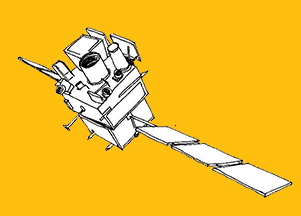
22 June 2025 marks the first anniversary of the SVOM satellite in orbit. One year ago, the satellite was launched from the Xichang base in China at 07:00 UTC. Following the launch, the subsequent phases took place:
- in-orbit commissioning phase from late June to late September 2024: commissioning of all platform functions and gradual activation of the instruments;
- validation phase from October 2024 to mid-January 2025: adjustment of system parameters, instruments, and scientific calibration;
- from mid-January 2025 onwards: start of the scientific operations phase.
The map below shows the exposure time of different regions of the sky (in galactic coordinates) during this first year for the ECLAIRs telescope. The most exposed regions are the galactic poles, in line with the planned SVOM attitude law.

The map below shows the pointing directions of the platform during this first year (in galactic coordinates). The colours indicate the nature of the pointings:
- in blue: general programme pointings, observing predefined areas of the sky while awaiting potential gamma-ray bursts;
- in green: target of opportunity pointings, observing known astrophysically interesting targets.
In total, SVOM devoted 35% of its available time to observing targets of opportunity, with half of that time spent revisiting gamma-ray bursts to build their visible light curves using the VT. Over two-thirds of these revisits were conducted for SVOM-detected bursts.

Thanks to the observing strategy applied this first year, SVOM successfully detected and observed 132 bursts, including:
- 111 detected by GRM;
- 47 detected and localised by ECLAIRs;
- and among these, 89 were also detected by other missions (Einstein Probe, Neil Gehrels Swift Observatory, Fermi).

Thanks to the responsiveness of the SVOM system and its teams, and the excellent multi-wavelength follow-up from our partners, around fifty gamma-ray bursts were observed in soft X-rays, about thirty in visible light, and redshift was successfully measured for 26 events. In particular this year:
- ECLAIRs detected its first burst on 13 July 2024;
- a very particular burst rich in soft X-rays was detected on 1 October 2024 and observed by the James Webb Space Telescope;
- the burst detected on 5 February 2025 is a perfect example of the SVOM system in action;
- a particularly distant burst was detected on 14 March 2025;
- GRB 250403A, proof of the phenomenal power of gamma-ray bursts;
- SVOM teams were honoured and awarded during China’s “Space Day” on 24 April 2025.
The results of this first year speak for themselves. Detections and observations by SVOM and its partners have generated over 900 scientific circulars. The next step is to continue fine-tuning the mission and instruments. Meanwhile, a series of scientific publications is being prepared to formally present these results to the scientific community.
Happy Birthday SVOM, and congratulations to all the teams!
SVOM honoured and awarded
The start of the scientific exploitation phase was celebrated at the opening ceremony of Space Day of China on 24 April 2025, where the two scientific leaders Bertrand Cordier (CEA) and Jianyan Wei (NAOC) were honoured. They presented the first scientific results from SVOM to a large audience.


Later in the evening, the SVOM team was awarded the prize for the best team of the year 2025 following its participation in the ‘Most Beautiful Science and Technology Workers’ challenge organised by the Chinese Society of Astronautics. The prize was presented to the SVOM team represented by Karine Mercier (CNES) and Yonghe Zhang (IAM CAS) at the Space Night Ceremony.

Congratulations to the whole team!
Entering the scientific operation phase
At the end of the Svom mission review, held in Beijing in the week of January 20, the review group proposed to move into the scientific exploitation phase. Exploitation is scheduled to start in April 2025, but the notices issued by Svom (warning messages for telescopes automatically tracking candidate bursts) will be distributed to the global community as early as February.
Since its launch six months ago, Svom has detected 78 gamma-ray bursts, and 472 GCN (General Coordinates Network) circulars referring to Svom have been published (following detection by Svom or ground follow-up by other missions/instruments), as well as 16 ATel (Astronomer’s Telegram) corresponding to detections of X-ray flares from known galactic sources.


Successful launch of the SVOM satellite
On 22 June 2024 at 07:00 UTC the Long March 2-C rocket blasted off from its launch pad carrying the SVOM satellite into space.

A few minutes later, the satellite was separated from the launcher, and 40 seconds after separation, the solar panels were deployed.
During its 12th orbit, the payload computer was switched on and the parameters of the control and attitude system were adjusted. The VHF transmitter was switched on on 23 June during the 16th orbit and the first packets were received by the Tibet station in Lhasa.

The VT and GRM were powered up on 24 June. ECLAIRs and MXT were powered up on 25 June. The ECLAIRs camera was switched on on 1 July.
The first GRM burst was detected on 27 June.
ECLAIRs detected and located its first burst on 13 July.
The SVOM satellite left the IAM CAS clean rooms in Shanghai and arrived at the Xichang launch site in Sichuan province on 10 May. It was transported in two separate parts: the platform on one side and the payload module on the other. Launch preparation operations began with the reassembly of the two parts, followed by tests to ensure that the instruments were working properly. The ECLAIRs and MXT instruments were inspected one last time before being configured for flight. The satellite will soon be integrated into the rocket, and several rehearsals of the launch sequence will take place before launch day.
Lift-off is scheduled for 22 June 2024 at 7am UTC (9am in Paris, 3pm in Xichang).


The SVOM satellite left the IAM CAS clean rooms in Shanghai and arrived at the Xichang launch site in Sichuan province on 10 May. It was transported in two separate parts: the platform on one side and the payload module on the other. Launch preparation operations began with the reassembly of the two parts, followed by tests to ensure that the instruments were working properly. The ECLAIRs and MXT instruments were inspected one last time before being configured for flight. The satellite will soon be integrated into the rocket, and several rehearsals of the launch sequence will take place before launch day.
Lift-off is scheduled for 22 June 2024 at 7am UTC (9am in Paris, 3pm in Xichang).


Following the electromagnetic compatibility tests (see Integration at Shanghai: second half of May), integration and testing of the SVOM satellite continued: the solar panels were assembled and new tests were carried out. The aim is to confirm that the satellite's flight model is ready for launch.
This summer, the satellite underwent vibration, shock and even acoustic tests! These different tests reproduce what the satellite will have to withstand during the launch phase and when the solar panels will be deployed. In September, the satellite was prepared for the thermal vacuum test: installation of temperature probes, installation of heating elements, removal of covers protecting the instruments and radiators, etc. For this test, the satellite is placed for several weeks in an enormous tank that reproduces the temperature conditions of space. In the tank, the instruments are switched on, in a kind of dress rehearsal for what will happen once in orbit.
All these tests were carried out at the IAM CAS facilities in Shanghai between June and October 2023, in collaboration with CNES teams.
The French team on site discovered M50, a contemporary art district in Shanghai.


This fortnight began with susceptibility tests to detect any interference between the various instruments and the electronic boxes of the PIM (payload module) through the harnesses. The very good results obtained were not certain, as it had not been possible to carry out these tests on the satellite's qualification model following the lockdown in March 2020.
The rest of the activities were devoted to finalising the routing of the harnesses, closing the platform panels, closing the PIM panels and assembling the antennas. Finally, the PIM was assembled on the platform. The SVOM satellite is now fully assembled and is in its final configuration as it will be in orbit.
After a health check on the PIM and the platform, the satellite was transferred to the anechoic chamber for radiated electromagnetic compatibility tests.


After the mechanical integration of the ECLAIRs and MXT instruments, it's time for the electrical integrations, with the connection of the harnesses of the French instruments to their respective control boxes.
Once the instruments have been connected, the payload module can be closed by very carefully approaching the side panels. Once the panels are closed, the ECLAIRS and MXT instruments are tested to ensure that they are in good health. These tests conclude the whole integration activity by confirming that everything is properly wired and functional.
Now it's time to move on to the next stage in this long sequence, the environmental tests, starting with the electromagnetic compatibility tests, during which we check that the instruments are not disturbed or do not disturb the other equipment on the satellite when everything is operating.


At the end of last week, preparations for integrating MXT and ECLAIRs onto the PIM were completed: electrical and mechanical disconnection of MDPU/UGTS computers, panel relocation, disconnection of flight harnesses...
This week, on Monday, ECLAIRs was placed on the PIM and on Tuesday its integration was finalized. On Wednesday, the MXT instrument was placed on the PIM, and on Thursday an alignment measurement was carried out to ensure that MXT was perfectly aligned with the satellite's optical axis.
Last weekend, the French team went to see an acrobatics show "ERA 2" at the Shanghai Circus. It was both impressive and poetic.


Last week, the French instrument qualification models and their computers were disassembled and packed away. Testing is now continuing on the flight models. MXT and ECLAIRs were switched on simultaneously for the first time. Soon the integration of the French instruments on the satellite will begin. They will then join the Chinese payload instruments, VT and GRM, which are already assembled on the PIM. During the weekend, the French team visited the old Shanghai and in particular the Jing'an temple.
In the forefront, some of the Chinese colleagues in front of the VT and GRM instruments integrated on the PIM. In the background, the qualification models.


The electronic boxes of the two French instrument computers: ECLAIRs (UGTS box) and MXT (MDPU boxes) were attached to the PIM panels (Payload Interface Module, between the instruments and the satellite) and the connection with the instruments was tested. In parallel, on the mechanical side, rehearsals of the instrument integration activities were carried out with the qualification model of the satellite platform and the structural and thermal models of the instruments. On Sunday, the French team visited the city of Suzhou, known for its Tiger Hill and its leaning pagoda, nicknamed the Chinese Tower of Pisa.


Video report recorded in the SVOM integration room at IAM CAS in Shanghai.
Week of 27 March: the ECLAIRs and MXT instruments were taken out of the transport boxes and placed on mechanical supports. The electronic boxes of the two computers were tested on their own, then connected to ECLAIRs and MXT: "everything is ok". Checks were carried out to verify the mechanical interfaces of the French instruments with the PIM (Payload Interface Module, between the instruments and the satellite). This ensures that ECLAIRs and MXT are aligned on the same optical axis. On Sunday, the French team discovered the city of Shanghai and in particular People's Square with its cherry blossom trees.
The French instruments ECLAIRs and MXT as well as the equipment necessary for the integration activities have left CNES for Shanghai.
The SVOM satellite left the IAM CAS clean rooms in Shanghai and arrived at the Xichang launch site in Sichuan province on 10 May. It was transported in two separate parts: the platform on one side and the payload module on the other. Launch preparation operations began with the reassembly of the two parts, followed by tests to ensure that the instruments were working properly. The ECLAIRs and MXT instruments were inspected one last time before being configured for flight. The satellite will soon be integrated into the rocket, and several rehearsals of the launch sequence will take place before launch day.
Lift-off is scheduled for 22 June 2024 at 7am UTC (9am in Paris, 3pm in Xichang).


Following the electromagnetic compatibility tests (see Integration at Shanghai: second half of May), integration and testing of the SVOM satellite continued: the solar panels were assembled and new tests were carried out. The aim is to confirm that the satellite’s flight model is ready for launch.
This summer, the satellite underwent vibration, shock and even acoustic tests! These different tests reproduce what the satellite will have to withstand during the launch phase and when the solar panels will be deployed. In September, the satellite was prepared for the thermal vacuum test: installation of temperature probes, installation of heating elements, removal of covers protecting the instruments and radiators, etc. For this test, the satellite is placed for several weeks in an enormous tank that reproduces the temperature conditions of space. In the tank, the instruments are switched on, in a kind of dress rehearsal for what will happen once in orbit.
All these tests were carried out at the IAM CAS facilities in Shanghai between June and October 2023, in collaboration with CNES teams.
The French team on site discovered M50, a contemporary art district in Shanghai.


This fortnight began with susceptibility tests to detect any interference between the various instruments and the electronic boxes of the PIM (payload module) through the harnesses. The very good results obtained were not certain, as it had not been possible to carry out these tests on the satellite’s qualification model following the lockdown in March 2020.
The rest of the activities were devoted to finalising the routing of the harnesses, closing the platform panels, closing the PIM panels and assembling the antennas. Finally, the PIM was assembled on the platform. The SVOM satellite is now fully assembled and is in its final configuration as it will be in orbit.
After a health check on the PIM and the platform, the satellite was transferred to the anechoic chamber for radiated electromagnetic compatibility tests.


After the mechanical integration of the ECLAIRs and MXT instruments, it’s time for the electrical integrations, with the connection of the harnesses of the French instruments to their respective control boxes.
Once the instruments have been connected, the payload module can be closed by very carefully approaching the side panels. Once the panels are closed, the ECLAIRS and MXT instruments are tested to ensure that they are in good health. These tests conclude the whole integration activity by confirming that everything is properly wired and functional.
Now it’s time to move on to the next stage in this long sequence, the environmental tests, starting with the electromagnetic compatibility tests, during which we check that the instruments are not disturbed or do not disturb the other equipment on the satellite when everything is operating.


At the end of last week, preparations for integrating MXT and ECLAIRs onto the PIM were completed: electrical and mechanical disconnection of MDPU/UGTS computers, panel relocation, disconnection of flight harnesses…
This week, on Monday, ECLAIRs was placed on the PIM and on Tuesday its integration was finalized. On Wednesday, the MXT instrument was placed on the PIM, and on Thursday an alignment measurement was carried out to ensure that MXT was perfectly aligned with the satellite’s optical axis.
Last weekend, the French team went to see an acrobatics show “ERA 2” at the Shanghai Circus. It was both impressive and poetic.


Last week, the French instrument qualification models and their computers were disassembled and packed away. Testing is now continuing on the flight models. MXT and ECLAIRs were switched on simultaneously for the first time. Soon the integration of the French instruments on the satellite will begin. They will then join the Chinese payload instruments, VT and GRM, which are already assembled on the PIM. During the weekend, the French team visited the old Shanghai and in particular the Jing’an temple.
In the forefront, some of the Chinese colleagues in front of the VT and GRM instruments integrated on the PIM. In the background, the qualification models.


The electronic boxes of the two French instrument computers: ECLAIRs (UGTS box) and MXT (MDPU boxes) were attached to the PIM panels (Payload Interface Module, between the instruments and the satellite) and the connection with the instruments was tested. In parallel, on the mechanical side, rehearsals of the instrument integration activities were carried out with the qualification model of the satellite platform and the structural and thermal models of the instruments. On Sunday, the French team visited the city of Suzhou, known for its Tiger Hill and its leaning pagoda, nicknamed the Chinese Tower of Pisa.


Video report recorded in the SVOM integration room at IAM CAS in Shanghai.
Week of 27 March: the ECLAIRs and MXT instruments were taken out of the transport boxes and placed on mechanical supports. The electronic boxes of the two computers were tested on their own, then connected to ECLAIRs and MXT: “everything is ok”. Checks were carried out to verify the mechanical interfaces of the French instruments with the PIM (Payload Interface Module, between the instruments and the satellite). This ensures that ECLAIRs and MXT are aligned on the same optical axis. On Sunday, the French team discovered the city of Shanghai and in particular People’s Square with its cherry blossom trees.
The French instruments ECLAIRs and MXT as well as the equipment necessary for the integration activities have left CNES for Shanghai.